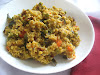
Spiced Red Lentil, Barley and Vegetable Soup

curried lentil and barley vegetable soup

There are times when you don't plan ahead for dinner and you have to make do with staples, unless you want to run out to the grocery store, but that is not always a viable or preferred option. This is one such soup that I put together one afternoon employing the use of odds and ends of produce and basics that I usually always have on hand. The addition of barley and coconut milk add a silky texture to this earthy soup packed full of plenty of root vegetables and robust tomatoes.

Feel free to use whatever vegetables on hand to include in the soup, such as bell peppers, parsnips, green beans, corn and potato, to name just a few. The soup is best with about 3 - 4 cups of vegetables.

Yes, the weather has turned cool again, but I do enjoy soup year round.

 Spiced Red Lentil, Barley and Vegetable Soup Spiced Red Lentil, Barley and Vegetable Soup
Recipe by
Cuisine: Indian
Published on April 21, 2015

Hearty and nourishing soup of lentils, barley and vegetables simmered in a lightly spiced broth of tomatoes, coconut milk and Indian seasonings

Print this recipePrint this recipe

Ingredients:
  • 4 to 6 sun-dried tomatoes
  • 2 tablespoons coconut oil or other oil
  • 1 1/2 teaspoons cumin seeds
  • 1 teaspoon brown mustard seeds
  • 1/2 teaspoon fenugreek seeds (optional)
  • 2 bay leaves or a small handful of crushed dried curry leaves
  • 1/4 teaspoon asafetida
  • 1 medium onion, diced
  • 1-inch piece fresh ginger, grated or minced
  • 1 clove garlic, crushed or minced
  • 3 to 4 green chilies, seeded and minced
  • 3 to 4 cups assorted diced vegetables (I used 2 large carrots, 2 stalks of celery, 6 small Brussels sprouts and 2/3 cup frozen peas)
  • 1 teaspoon turmeric
  • 1 teaspoon ground coriander
  • 2/3 teaspoon paprika
  • 3 medium tomatoes, finely chopped
  • 2 teaspoons tamarind paste
  • 2/3 cup red lentils, rinsed
  • 1/3 cup pearl barley, rinsed
  • 2/3 cup coconut milk
  • 5 to 6 cups water, or more as needed
  • 1 teaspoon garam masala
  • 1 to 2 teaspoons fresh or dried fenugreek (methi) leaves
  • 1 1/2 teaspoons sea salt, or to taste
  • fresh cracked black pepper
  • juice from 1 lemon (3 tablespoons)
Instructions:
  • Soak the sun-dried tomatoes in 1 1/2 cups of hot water for 30 minutes. Drain, reserving the soaking water, and chop. Set aside.

  • Heat the oil over medium heat in a large heavy-bottomed saucepan or soup pot. When hot, toss in the cumin seeds, mustard seeds, fenugreek seeds if using, and bay leaves or curry leaves. When the mustard seeds turn grey and begin to splutter and pop, quickly stir in the asafetida and then add the onion and sauté for 5 minutes. Add the ginger, garlic and chilies and stir for another minute. Now add the chopped vegetables and stir for another 5 minutes. Toss in the turmeric, coriander and paprika, and stir for another minute.

  • Now add the fresh tomatoes, sun-dried tomatoes and tamarind paste to the pan and cook for 5 to 7 minutes until thickened, stirring often. Stir in the lentils and barley and pour in the reserved sun-dried tomato soaking water, coconut milk and 5 cups of water. Bring to a boil, reduce the heat to medium-low, cover, and simmer for 20 to 25 minutes until the vegetables are tender and the lentils and barley are soft. Add up to 1 cup more water if needed.

  • Stir in the garam masala, fenugreek leaves, sea salt, black pepper and lemon juice. Simmer for another few minutes and serve hot.

Makes 6 servings

lentil, barley vegetable soup

More lentil soups to enjoy from Lisa's Vegetarian Kitchen:
Turkish-Style Lentil Soup
Creamy Brown Lentil, Barley and Mushroom Soup
Lentil Soup with Prunes and Apricots
Greek Lentil Soup (Fakes)

Fresh Coconut Chutney with Tamarind and Cilantro

Fresh Coconut Chutney with Tamarind and Coriander

I virtually never purchase chutneys because they are so easy to make at home. The additional plus is that the cook in their own home kitchen can control the quality and portions of ingredients that go into the mix.

This particular fresh green chutney was made to accompany some fried Indian savories. Tamarind and coconut adds some natural sweetness with some earthy cilantro added to the mix with spices and chilies. This is a versatile chutney that goes well with anything that needs a bit of dressing up.


Fresh Coconut Chutney with Tamarind and CilantroFresh Coconut Chutney with Tamarind and Cilantro
Recipe by
Cuisine: Indian
Published on April 4, 2015

Simple versatile fresh chutney with coconut, tamarind and fresh cilantro

Print this recipePrint this recipe

Ingredients:
  • 2-inch piece tamarind pulp
  • 4 tablespoons fresh cilantro (coriander), trimmed and chopped
  • 2 tablespoons coconut sugar or brown sugar
  • 2 to 3 green chilies, seeded and chopped
  • 1/2 teaspoon sea salt, or to taste
  • 1 cup unsweetened dried grated coconut
  • 2 tablespoons ghee, coconut oil or sesame oil
  • 1 teaspoon brown mustard seeds
  • 1 teaspoon cumin seeds
  • 1/4 teaspoon asafetida
  • small handful of dried curry leaves, crumbled
Instructions:
  • Soak the tamarind in 1/2 cup of hot water for 20 to 30 minutes. Press the tamarind with your fingers to remove any excess seeds and tough fibers. Drain through a sieve, collecting as much of the pulp as possible.

  • Combine the tamarind pulp, fresh cilantro, sugar, chilies and salt in a blender or food processor and blend until smooth. Add the coconut and process further until everything is well combined. Transfer to a bowl.

  • Heat the ghee, coconut or sesame oil in a small saucepan or frying pan over medium heat. When hot, add the mustard seeds and cumin seeds and fry until the mustard seeds turn grey and begin to splutter and pop. Toss in the asafetida and curry leaves, stir a few times, and pour over the chutney. Stir and serve with your favorite Indian flat breads or savories.

  • Refrigerate in a sealed container for up to 2 to 3 days.

Makes about 1 1/2 cups

coconut chutney with tamarind and coriander

Other chutneys to enjoy from my vegetarian kitchen:
South Indian Tomato Chutney
Green Mango Coconut Chutney
Easy Spicy Tomato Chutney
Cashew Chutney (Kaju Chatni)

Brussels Sprouts Kulambu (Brussels in a Spicy Tomato Sauce)

brussels sprouts curry

Brussels sprouts might not be native to India, or that commonly used there to this day, but their rather strong and earthy flavor is perfectly complemented by Indian spicing. I had some brussels on hand in the fridge that originally I was simply going to steam and slather with some butter and salt and pepper, but when I got to thinking about a side that would compliment some fried dal cakes, I couldn't resist dressing them up with some tomato, tamarind and spices. This dish is ideal served over rice, along with appetizers and a legume main.

Kulambus — or kuzhambus — are native to South India and Sri Lanka. Usually made with dals, this dish features vegetables as the starring ingredient in a tomato-based curry.

curried brussels in a spicy tomato sauce

Brussels Sprouts Kulambu (Brussels in a Spicy Tomato Sauce)Brussels Sprouts Kulambu (Brussels in a Spicy Tomato Sauce)
Recipe by
Cuisine: South Indian
Published on March 30, 2015

Brussel sprouts simmered in tangy and zesty tomato and tamarind curry sauce

Print this recipePrint this recipe

Ingredients:
  • 2 tablespoons coconut, olive or sesame oil
  • 1 teaspoon brown mustard seeds
  • 1 teaspoon cumin seeds
  • 1/2 teaspoon fenugreek seeds
  • 1 1/2 teaspoons split skinned ural dal, rinsed
  • 1/4 teaspoon asafetida
  • small handful of dried curry leaves, crumbled
  • 1 large shallot, diced
  • 3 medium tomatoes, seeded and diced
  • 1/2 teaspoon turmeric
  • 2 teaspoons sambar powder
  • 1 teaspoon sea salt, or to taste
  • 1 teaspoon tamarind paste
  • 3/4 to 1 cup water, as needed
  • 2 cups brussels sprouts, halved or quartered
Instructions:
  • Heat the oil over medium heat in a large saucepan . When hot, add the mustard seeds, cumin seeds, fenugreek seeds, urad dal, asafetida and curry leaves, and fry, stirring occasionally, until the mustard seeds turn grey and begin to splutter and pop.

  • Add the shallot, tomatoes, turmeric, sambar powder and salt, and simmer to thicken, stirring occasionally, for about 5 to 7 minutes. Add 3/4 cup water to the pot along with the tamarind, and simmer for another 5 minutes.

  • Raise the heat slightly, bring to a boil, and stir in the brussels sprouts. Reduce the heat to medium-low, cover, and cook until the brussels are tender — about 10 minutes. Add a bit more water if necessary, if the curry is too thick.

  • Serve hot with fresh cooked white rice.

Makes 4 servings

brussels with a spicy tomato sauce

Other recipes featuring brussels sprouts:
Brussels Sprouts and Mushroom Gratin with a Dijon Mornay Sauce
Brussels Sprouts Lasagna
Brussels Sprouts Risotto

On the top of the reading stack: various cookbooks

Audio Accompaniment: Biosphere and Deathprod - Stator

Chana Vada (Chana Dal Peanut Patties) with a Tamarind Chili Sauce

channa dal vadi with tamarind sauce

I will admit that I have a hard time keeping up with all of the different names for Indian dishes, as the cuisine varies so much depending on every region's unique traditions and influences. Indian savories often have me a bit confused, even though I started cooking Indian food soon after adopting a vegetarian diet, and that was over twenty years ago.

One thing I do know is that Indian appetizers have always been one of my favorite aspects of dining out, and since growing keen on experimenting in my own kitchen, there is no match for homemade preparations. With some research and control over the quality of your ingredients and process, eating out will in all likelihood pale in comparison. I now find most of the offerings from local establishments greasy and bland in comparison to homemade. The only drawback is that many breads, patties, balls and fritters can take time and be a bit messy. It really is worth the effort though and oftentimes the savories, such as these chana dal patties complete with some tamarind sauce in this instance, easily make up the main portion of a lighter meal if the temptation to indulge doesn't overwhelm.

Vadas seem to be a new favorite of mine. Popular in South India traditionally, vadas are fried savories usually made with dal and spices that are now popular in many parts of India and beyond. Often disc or doughnut shaped, this popular street food can be eaten for breakfast or as a snack with any variety of chutneys, and are a fine feature of any celebratory meal.

These chana dal and peanut vadas came together in very little time at all, and instead of the usual deep-frying method I shallow fried them for a healthier appetizer or meal accompaniment. I adore little bites and I'm always happy to serve them up as the star of the meal. Serve with rice and a side vegetable curry and rest assured no one will leave the table hungry. The peanuts not only provide extra protein and nutty flavor but also serve to help bind the cake together, without any need for excess oil, eggs or flour. I was pleasantly surprised how well they held together when frying and after they were gone, I was eager to make up another batch. The thick, creamy coconut milk, tamarind and chili sauce that I served them with was the crowning glory.

chana dal peanut patties

I adapted this recipe from Raghavan Iyer's comprehensive guide to Indian cooking, 660 Curries. His book occupies a treasured space on a prominent bookshelf in my kitchen, and with so many ideas, including fusion-style dishes, I never get bored of exploring his tried and tested recipes and exploring new delights awaiting the curious and eager cook. Whether a novice or an experienced cook, I'm certain anyone with a keen interest in Indian cooking will embrace this book as I have for many years and many more to come.

Chana Vada (Chana Dal Peanut Patties) with a Tamarind Chili SauceChana Vada (Chana Dal Peanut Patties) with a Tamarind Chili Sauce
Recipe by
Adapted from 660 Curries
Cuisine: Indian
Published on March 23, 2015

Shallow-fried Indian spiced chana dal and peanut patties served with a tangy, creamy and zesty tamarind, chili and coconut milk sauce

Print this recipePrint this recipe

Vadas:
  • 1 cup dried split chana dal or yellow split peas
  • 1/4 cup unsalted peanuts
  • 1/2 cup unsweetened dried grated coconut, soaked in 1/2 cup boiling water for 15 minutes and drained
  • 4 green chilies, seeded and chopped
  • 1-inch piece ginger, finely sliced
  • 1/2 cup fresh cilantro leaves, finely chopped
  • 1 1/2 teaspoons sea salt, or to taste
  • 1/2 teaspoon turmeric
  • 1/2 teaspoon ground cumin
  • 1/2 teaspoon paprika
  • 1/4 teaspoon asafetida
  • 2 tablespoons coconut oil or other cooking oil for frying
Sauce:
  • 1 teaspoon tamarind paste
  • 2/3 cup coconut milk
  • 2 teaspoons garam masala
  • 1/2 teaspoon sea salt
  • 2 dried whole red chilies, crushed
  • 2 tablespoons fresh cilantro, finely chopped
Instructions:
  • Thoroughly rinse the chana dal or yellow split peas. Transfer to a medium bowl, add the peanuts, and soak for 2 hours in several inches of water.

  • Meanwhile, soak the grated coconut in 1/2 cup boiling water for 15 minutes, then drain and set aside.

  • Drain the dal or split peas and transfer to a food processor. Add the coconut, chilies and ginger. Process until the mixture is well blended and turns into a fairly thick paste. Transfer to a medium bowl and stir in the cilantro, sea salt, turmeric, cumin, paprika and asafetida. Cover the bowl with plastic wrap and place in the refrigerator for about 30 minutes.

  • Meanwhile, make the sauce. Whisk together the tamarind paste, coconut milk and about 1/4 cup water in a small saucepan. Stir in the garam masala, salt, chilies and cilantro. Bring to a gentle boil, reduce the heat to medium, and stir occasionally until the sauce is thickened, about 10 minutes or so. Set aside until ready to serve the patties.

  • Shape about 1 to 2 tablespoons of the vada mixture into small patties about 1/2 inch thick and 1 1/2 to 2 inches wide, and place on a plate.

  • Line a few plates with paper towel and heat the oil in a large non-stick skillet over medium heat. When hot, fry the patties in batches, taking care not to overcrowd the pan. Cook for about 5 minutes on each side, until golden brown. Remove from the pan with a slotted lifter and let drain on the towel-lined plates. Repeat until all the patties are cooked.

  • To serve, place a few of the prepared patties on a plate and drizzle with sauce.

Makes 15 to 18 vadas

chana dal patties with tamarind chili sauce

I'm sharing this with Jacqueline's bookmarked recipe event and also My Legume Love Affair, a monthly event celebrating all things legumes, started by lovely Susan of The Well Seasoned Cook, now administered by me and kindly hosted this month by Siri. There is still time to submit a recipe to both of these vegetarian recipe roundups.

Other little bites you are sure to enjoy from Lisa's Kitchen:
Potato Patties Stuffed with Spiced Green Peas (Aloo Matar Tikki)
Chickpea Potato Koftas with Ricotta Cheese
Paneer Tikka Masala
Vegetarian Samosa Cakes with Tamarind Chutney

On the top of the reading stack: Sweetly Raw Desserts: Raw Vegan Chocolates, Cakes, Cookies, Ice Cream, and More by Heather Pace

Audio Accompaniment: chirping birds

Urad and Toor Dal with Fresh Fenugreek

Urad and Toor Dal with Fresh Fenugreek

Sometimes a gentle Indian meal with split dal is just the thing I crave. I adore the creamy texture and mellow yet unique flavor of urad dal mixed with toor dal and smoky, aromatic spices. Fresh fenugreek is a must in this dish and it was a delight to find some at my local Indian grocery store. It imparts a slight bitterness and pepperiness but a highly pleasing and subdued contrast to the tomato and spice components of the dal. I served it with hot white basmati rice, but it certainly would go well with naan or any other Indian flat bread and a side vegetable dish to complete the meal.

I'm reposting this recipe from the archives with some updated photos and revisions.


Urad and Toor Dal with Fresh FenugreekUrad and Toor Dal with Fresh Fenugreek
Recipe by
Cuisine: Indian
First published on April 23, 2010

Simple dal and tomato curry seasoned with fresh peppery fenugreek leaves

Print this recipePrint this recipe

Ingredients:
  • 2/3 cup skinless split urad dal, rinsed
  • 1/3 cup toor dal, rinsed
  • 1 2/3 cups water
  • 1 teaspoon turmeric
  • 1 cup fresh fenugreek leaves, chopped
  • 2 teaspoons coconut oil, sesame oil or ghee
  • 1-inch piece ginger, finely chopped
  • 3 green chilies, seeded and finely chopped
  • 2 large tomatoes, finely chopped
  • 1 to 2 teaspoons sea salt, or to taste
Tempering:
  • 1 tablespoon coconut oil, sesame oil or ghee
  • 1 teaspoon brown mustard seeds
  • 1 teaspoon cumin seeds
  • 1/2 teaspoon fenugreek seeds
  • 1/2 teaspoon asafetida
  • 1/2 teaspoon chili powder
  • 1/2 teaspoon amchoor powder (optional)
Instructions:
  • Soak the urad dal and toor dal in enough water to cover for at least 1 hour. Drain, transfer to a medium saucepan, and add 1 2/3 cups of water and the turmeric. Bring to boil, reduce the heat to low, cover, and simmer until the dals are soft, stirring occasionally to ensure the water does not boil away, about 30 to 40 minutes.

  • Add the fenugreek leaves to the pot and stir.

  • Heat the oil or ghee in a frying pan over medium heat. When hot, toss in the ginger and chilies and stir for a few minutes. Add the tomato and salt to the pan and cook until the tomato begins to soften and thicken. Add the tomato to the dals, bring to a boil again, reduce the heat to low, and simmer for another 5 to 10 minutes, whisking occasionally. Turn off the heat.

  • For the tempering, wipe the frying pan down and heat the oil or ghee over medium heat. When hot, add the mustard seeds, cumin seeds and fenugreek seeds. Stir for 30 to 60 seconds or until the mustard seeds turn grey and begin to splutter and pop. Add the asafetida, chili powder and amchoor if using, stir a few times, and then immediately pour into the dal. Stir once and cover immediately. Let stand for 5 minutes to let the smoky flavor of the tempering diffuse into the dal. Stir well to combine and serve hot.

Makes 4 to 6 servings

Urad Dal with Fresh Fenugreek

More urad dal recipes from Lisa's Vegetarian Kitchen:
Urad Dal with Tomatoes
Fennel Flavoured Ural Dal Soup
Urad Dal with Tomatoes, Spices and Coconut

Audio Accompaniment: Arc of Passion by Steve Roach

Bangalore Sambar with Toor Dal and Lima Beans

toor dal and lima bean sambar

Sambars have been an ideal meal solution these days, especially those made with earthy toor dal and sweet tangy tamarind. Warming and satisfying, I took refuge from the bitter cold hovering over a bowl of this sambar that featured as the main course of the meal. This time, I added some cooked lima beans to the creamy toor dal for some meaty texture and seasoned it with my favorite south Indian spices. A little unconventional I suppose, but very authentic tasting with the more traditional spicing.

It all came together just right in very little time at all. Because this sambar is more filling and substantial than most of the sambars I am accustomed to, very little is needed to complete the meal. Serve the sambar with a vegetable side, some basmati rice and some savory Indian flat breads if you please. The dining experience would be enhanced with a soupy rasam served as a first course.

Note: sambar powder, along with the other ingredients in this recipe, is easily available at any Indian grocer, but you can make your own fresh spice blend from scratch using this recipe.

Bangalore Sambar with Toor Dal and Lima BeansBangalore Sambar with Toor Dal and Lima Beans
Recipe by
Cuisine: South Indian
Published on March 10, 2015

Plump tender lima beans simmered in a traditional tangy and spicy south Indian curry

Print this recipePrint this recipe

Sambar:
  • 1/3 cup dried lima beans (1 cup cooked)
  • 2 tablespoons tamarind paste
  • 3/4 cup toor dal, rinsed
  • 1/2 teaspoon turmeric
  • 1 medium potato, cubed
  • 1 tablespoon ghee or oil
  • 1 teaspoon brown mustard seeds
  • 2 teaspoon cumin seeds
  • 1 teaspoon split skinned urad dal, rinsed
  • 3 dried whole red chilies, broken into pieces
  • handful of dried curry leaves
  • 1/4 teaspoon asafetida
  • 2 teaspoon ground coriander
  • 2 teaspoons sambar powder
  • 1 medium tomato, partially seeded
  • 2 fresh red or green chilies, seeded and finely chopped
  • 1/3 cup dried unsweetened grated coconut
  • 1 teaspoon sea salt, or to taste
  • fresh chopped cilantro for garnish (optional)
Instructions:
  • Rinse the lima beans and soak for 8 hours or overnight in several inches of water. Drain and rinse then transfer to a medium saucepan and cover with fresh water. Bring to a boil, reduce heat to low, cover, and simmer until tender but not falling apart — 35 to 40 minutes. Drain and set aside.

  • Meanwhile, soak the tamarind paste in 1 cup of hot water for 30 minutes.

  • Place the toor dal in a large saucepan and add 3 cups of water and the turmeric. Bring to a boil, reduce heat to medium-low, and simmer until the dal begins to break apart — about 40 minutes. If desired, whisk the cooled dal for a creamier texture.

  • Now add the potato, tamarind paste and its soaking water, and the cooked lima beans. Pour in another cup of water and simmer for 15 minutes until the potatoes are tender. Stir occasionally, adding more water as needed.

  • Heat the ghee or oil in a small frying pan or saucepan over medium heat. When hot, toss in the mustard seeds, cumin seeds, ural dal, dried chilies and curry leaves. Stir and fry until the mustard seeds turn grey and begin to splutter and pop. Add the asafetida, stir once, and then add the ground coriander and sambar powder and stir for another 30 seconds. Add the tomato, fresh chilies, coconut and salt. Simmer until the mixture is thickened — about 5 minutes. Transfer to the cooked sambar, stir, and cover. Let stand for 5 minutes to allow the flavors to blend.

  • Serve hot over fresh cooked white rice, garnished with chopped cilantro if desired. Alongside your favorite Indian flat bread you have a complete and satisfying meal.

Makes 4 to 6 servings

Bangalore Sambar

Other sambars to enjoy from my kitchen:
Vegetable Coconut Sambar
Tamarind Sambar
Black-Eyed Pea and Mung Bean Sambar
Drumstick Sambar with Seared Eggplant

On the top of the reading stack: Super Paleo Snacks: 100 Delicious Low-Glycemic, Gluten-Free Snacks That Will Make Living Your Paleo Lifestyle Simple & Satisfying

Audio Accompaniment: Marsen Jules

South Indian-Style Quinoa with Potato, Pumpkin and Tamarind

quinoa, potato and pumpkin

I've been eating quinoa longer than most people I know knew how to pronounce it. Now that it's trendy, it's more expensive, but I still enjoy eating and sharing ideas for it. It really is almost the perfect grain for both taste and nutrition.

And while quinoa is not a staple of south Indian cooking, that's no reason not to pair its light nutty taste with the hot and tangy tamarind, coconut and spice flavors of the region. I will try almost anything with south Indian ingredients, for that matter! This dish combines quinoa, pumpkin, potato and peas with some of the classic south Indian flavors as well as some not-so-classic ingredients for a rich, hearty, zesty and flavorful side dish that nourishes not only the body but delights the soul.

quinoa and potatoes, Indian-style

South Indian-Style Quinoa with Potato, Pumpkin and TamarindSouth Indian-Style Quinoa with Potato, Pumpkin and Tamarind
Recipe by
Cuisine: Indian
Published on February 24, 2015

Quinoa, pumpkin, potato and peas tossed together with classic south Indian tamarind, coconut and spices

Print this recipePrint this recipe

Quinoa:
  • 1 cup uncooked quinoa
  • 2 cups water
  • 1/2 teaspoon sea salt
  • 1/2 teaspoon turmeric
Spice blend:
  • 2 tablespoons skinned urad dal, rinsed
  • 2 tablespoons toor dal, rinsed
  • 1 tablespoon coriander seeds
  • 1/2 teaspoon black peppercorns
Vegetables:
  • 4 to 6 sun-dried tomatoes, soaked in hot water for 30 minutes, drained and finely chopped
  • 2 tablespoons tamarind pulp, soaked in 1/3 cup hot water for 40 minutes
  • 2 tablespoons coconut or other oil
  • 1 teaspoon brown mustard seeds
  • 1 teaspoon cumin seeds
  • small handful of dried curry leaves
  • 1/4 teaspoon asafetida
  • 1 large potato, cubed
  • 1 cup unsweetened pumpkin purée
  • 2/3 cup fresh or frozen and defrosted peas
  • 2 to 3 green or red chilies, seeded and minced
  • 1 red bell pepper, seeded and diced
  • 1/3 cup unsweetened dried shredded coconut
  • 1/4 teaspoon cayenne
  • 1 1/2 teaspoons sea salt, or to taste
  • juice from 1 lemon (3 tablespoons)
Instructions:
  • Rinse the quinoa and soak in the water for 8 hours or overnight. Add the salt and turmeric and bring to a boil, then immediately reduce the heat to low, cover, and simmer until the water is absorbed — about 15 minutes. Let stand for 5 minutes and then fluff with a fork. Set aside.

  • Meanwhile, soak the sun-dried tomatoes in hot water for 30 to 40 minutes, then drain and chop and set aside. At the same time, soak the tamarind pulp in 1/3 cup hot water for 30 to 40 minutes. Drain, reserving the soaking water and squeezing out as much liquid from the pulp as possible. Set aside.

  • To prepare the spice blend, dry roast the dals, coriander seeds and peppercorns in an unoiled pan over medium heat until they darken a a few shades — about 3 minutes. Let cool and then grind to a powder with a spice blender or in a mortar and pestle. Set aside.

  • Heat the oil in a large skillet or saucepan over medium heat. When hot, add the mustard seeds, cumin seeds and curry leaves. Fry, stirring often, until the mustard seeds turn grey and begin to splutter and pop. Toss in the asafetida, stir once, and then add the potatoes, stirring well to combine. Cover and cook, stirring often and adding a few tablespoons of water as necessary if the potatoes stick, for roughly 12 minutes or until the potatoes begin to soften.

  • Stir in the sun-dried tomatoes, pumpkin purée, peas, chilies, red pepper, coconut, tamarind liquid, cayenne and spice blend until well combined. Cover and cook, stirring occasionally, adding more water as necessary, until the vegetables are tender — about 10 minutes.

  • Stir in the salt, lemon juice, and quinoa. Reduce the heat to medium-low and cover and heat for another 3 to 4 minutes. Remove from heat, let stand for 5 minutes, fluff, and serve. Garnish with freshly chopped cilantro if desired.

Makes 4 servings

Other quinoa recipes to try from Lisa's Vegetarian Kitchen:
Quinoa Soup with Corn
Minted Tamari Quinoa and Cauliflower with Pine Nuts
Quinoa Dolmadakia (Stuffed Grape Leaves)
Quinoa Stuffed Tomatoes

South Indian-Style Quinoa with Potato, Pumpkin and Tamarind

Eggplant in a Tahini Mustard Sauce

eggplant in a tahini mustard sauce

Eggplant has recently become an treasured component of my meals, especially when they feature in a curry. Though eggplant doesn't have a lot of flavor on its own, it is a remarkable vegetable that not only adds texture but soaks up all of the goodness of the seasonings present in the dish it stars in.

I also happen to be a mustard fan, and I was immediately enchanted when I came across this idea for an eggplant side from Soma. As usual, I have adapted things to my own preferences, but the nod goes to Soma nonetheless.

The tahini here tempers the mustard somewhat, but the mustard is the trending taste here, with succulent slices of cooked eggplant.

Eggplant in a Tahini Mustard Sauce

Eggplant in a Tahini Mustard SauceEggplant in a Tahini Mustard Sauce
Recipe by
Adapted from eCurry
Cuisine: Indian
Published on February 10, 2015

Tender pieces of fried eggplant simmered in a unique creamy and spicy mustard sauce

Print this recipePrint this recipe

Ingredients:
  • 1/2 oz (14 g) dried wild mushrooms
  • 1 1/2 tablespoons black mustard seeds
  • 1 tablespoon yellow mustard seeds
  • 1 teaspoon turmeric
  • 1 tablespoon Kashmiri chili powder
  • 1/4 teaspoon cayenne
  • 1 teaspoon coconut or brown sugar
  • 3 tablespoons tahini
  • 1 large eggplant
  • 4 tablespoons sesame or mustard oil
  • 1 teaspoon cumin seeds
  • 1/2 teaspoon nigella (black onion or kalonji) seeds
  • 3 to 4 green or red chilies, seeded and chopped
  • sea salt to taste
Instructions:
  • Soak the mushrooms in 2/3 cup hot water for 30 minutes. Drain, reserving the soaking water, and roughly chop the mushrooms. Set aside.

  • Prepare the mustard paste. Grind the mustard seeds in a spice grinder or blender. Transfer to a bowl and whisk in 1/4 cup water. Let sit for about 20 minutes and then whisk in the turmeric, chili powder, cayenne, sugar and tahini.

  • Wash the eggplant and pat dry with kitchen towel. Slice of the ends and then cut the eggplant into strips about 2 inches long and 3/4 inches wide. Alternately, cut into large cubes. Sprinkle the cut eggplant with salt and a bit of turmeric and toss well to coat. Let sit for 15 minutes, stirring often.

  • Heat 2 tablespoons of the oil in a large frying pan or wok over medium heat. When hot, add the cumin seeds, nigella seeds and chilies. Stir and fry until the seeds sputter and the chili softens. Add the eggplant and increase the heat slightly.

  • Cook the eggplant, stirring often, until it begins to soften and brown — about 10 minutes. Now add the remaining 2 tablespoons of oil along with the mustard paste and mushrooms, stirring well to coat the eggplant pieces.

  • Reduce the heat to medium-low and gently stir and cook for another 5 minutes. Add the reserved mushroom soaking water and more water as needed to thin the sauce to your desired consistency. Simmer for another 5 to 10 minutes until the eggplant is cooked. Season with salt and serve hot or warm.

Makes 4 servings

eggplant with tahini and mustard

I am sharing this with Jac's monthly bookmarked recipe event. If you enjoy cooking, you know you have more than enough bookmarked ones to keep you going for the rest of your existence.

Other eggplant creations from Lisa's Vegetarian Kitchen:
Eggplant Quinoa Bites with Pesto
Baked Eggplant Stuffed with Curried Vegetables
Stuffed Eggplant Poriyal
Drumstick Sambar with Seared Eggplant

On the top of the reading stack: the newspaper

Audio Accompaniment: Marsen Jules

Millet and Chickpea Flour Crêpes with Spinach

millet chickpea flour crepes

I've often noted that millet is an under-appreciated grain. And that's strange, because it has a unique and nutty texture that is a bit lighter than rice and a fine accompaniment to any meal requiring a grain side. In addition, it works well as part of a main entrée too.

millet crepes stuffed with mushrooms

A substantial meal accompaniment, chickpea flour, spinach, carrot and spice shine along with the millet in these Indian crêpes.

I served them up with a mushroom curry for dinner.

chickpea flour millet crepes

Millet and Chickpea Flour Crêpes with SpinachMillet and Chickpea Flour Crêpes with Spinach
Recipe by
Cuisine: Indian
Published on January 20, 2015

Quick and easy, these soft thin savory Indian pancakes are made from a hearty millet, spinach and vegetable batter

Print this recipePrint this recipe

Ingredients:
  • 1 cup chickpea flour (besan)
  • 1 cup cooked millet or quinoa (1/3 cup dried)
  • generous handful of fresh spinach leaves
  • 1 1/2 tablespoons hemp or flax seeds
  • 1 teaspoon ground cumin
  • 1/2 teaspoon ground coriander
  • 1/2 teaspoon mustard powder
  • 1/4 teaspoon cayenne
  • 1/4 teaspoon asafetida
  • 1/2 tablespoon nutritional yeast (optional)
  • 1 teaspoon baking powder
  • juice from 1/2 small lemon (1 tablespoon)
  • 2 cups water
  • 1 teaspoon sea salt
  • 1 shallot, finely chopped
  • 1 to 2 green chilies, seeded and finely chopped
  • 1 small carrot, finely chopped
  • sesame oil for frying
Instructions:
  • In a blender, combine the chickpea flour, millet or quinoa, spinach, hemp seeds, spices and asafetida, nutritional yeast if using, baking powder, lemon juice, water and salt. Blend until you have a smooth batter. Transfer this mixture to a large bowl and stir in the shallot, chilies and carrot.

  • Heat a non-stick frying pan over medium heat and brush with a bit of oil. When hot, add about 1/2 cup of the batter with a ladle and quickly spread out to a thin 6-inch circle using the back of the ladle.

  • Cook for about 5 minutes until the bottom is golden brown, then flip the crêpe and cook for another 4 minutes or the other side is golden brown. Remove from the pan.

  • Repeat until all of the batter is used, keeping the cooked crêpes warm under foil wrap.

  • Serve hot or warm with accompaniments of your choice.

Makes 10 crêpes

chickpea millet crepes stuffed

Other Indian quick breads you may enjoy:
Fenugreek Leaf Dosa
Sri Lankan Coconut Roti
Makki Di Roti (Griddle Cooked Corn Bread)
Indian Rice Flour Pancakes

On the top of the reading stack: Food and Drink Magazine

Audio Accompaniment: 4 Years by Origami Sound

Drumstick Sambar with Seared Eggplant

drumstick sambar

When I first began cooking Indian food, most of my dishes were inspired from classic north Indian cuisine. As I became more comfortable with spicing and my curiosity expanded, southern Indian creations soon became a passion. Sambars are a signature part of south Indian eating, typically serving as the first course of the meal along with rice, followed up by a brothy rasam and other vegetables dishes, such as poriyals. These thick soup-like creations can be made with any number of vegetables and are typically served with rice and other accompaniments. But sambars are substantial enough to serve as the main course of a meal, especially when served with rice and some Indian flat breads.

Drumstick features in this sambar. This is only the second time I have cooked with this vegetable — the first time it starred in a vegetable coconut sambar, but I'm already a fan. A long thin green pod, they are commonly used in Indian cuisine, often featuring in sambars as they do here.

The flavor and texture of drumsticks is quite unique. If possible, it is best to find immature drumsticks as they tend to be even woodier and more fibrous the older they are. As it is, most of the skin is removed before cooking and they are sliced into pieces before cooking as it is the soft pulpy interior that makes the vegetable so enjoyable to eat. They're also highly nourishing as sources of calcium, iron, phosphorus and vitamins and used to be used to treat malnutrition in Asia.

drumstick sambar with seared eggplant

Drumsticks can be found at Asian and Indian grocery stores. Look for the smoothest pods you can find. If you can't find drumsticks you can use any vegetable that you have on hand, such as carrots, green beans, radish, asparagus or sweet potato. This dish would still be delicious, but I would highly recommend the seared eggplant even if not using drumstick. It adds a unique final lovely texture and touch.

You can also easily find prepared sambar powders at Indian grocers, but it's easy to make at home too.

Drumstick Sambar with Seared EggplantDrumstick Sambar with Seared Eggplant
Recipe by
Cuisine: South Indian
Published on January 12, 2015

Thick, hearty and spicy south Indian toor dal curry with drumsticks and fried eggplant

Print this recipePrint this recipe

Dal:
  • 1 cup toor dal
  • 3 tablespoons tamarind pulp
  • 1 1/4 cups hot water
  • 2 teaspoons sambar powder
  • 1/2 teaspoon turmeric
  • 1/2 teaspoon paprika or cayenne
  • 2 medium shallots, finely chopped
  • 2 medium tomatoes, finely chopped
  • 1 cup water
  • 2 to 3 drumsticks, outer layer scraped and cut into 1-inch pieces
Tempering:
  • 2 small eggplants
  • 2 tablespoons coconut oil or other oil
  • 1 teaspoon brown mustard seeds
  • 1 teaspoon cumin seeds
  • 1/2 teaspoon fenugreek seeds
  • small handful of dried curry leaves
  • 2 teaspoons dried fenugreek leaves (methi)
  • 1/4 teaspoon asafetida
  • 2 to 3 red or green chilies, seeded and minced
  • 1-inch piece ginger, minced or grated
  • 2 tablespoons dried coconut (optional)
  • 1 to 2 tablespoons fresh lemon juice
  • sea salt to taste
  • fresh chopped cilantro for garnish
Instructions:
  • Thoroughly rinse the toor dal. Transfer to a medium bowl, cover with cold water, and let soak for 1 to 2 hours.

  • Meanwhile, soak the tamarind pulp with 1 1/4 cups of hot water for 30 to 40 minutes. Strain the tamarind liquid into a bowl, squeezing out as much liquid from the pulp as possible. Discard the pulp and set the liquid aside.

  • Drain the toor dal and transfer to a large saucepan along with the tamarind liquid, sambar powder, turmeric, paprika or cayenne, shallot, tomato and 1 cup of water. Bring to a boil, reduce the heat to low, cover, and simmer for 20 minutes, stirring occasionally.

  • Add the drumstick and simmer for another 20 minutes, stirring occasionally and adding more water as needed. Cook until the dals are soft and the drumstick is tender.

  • Meanwhile, cut the eggplant into 1/4-inch thick rounds or half rounds depending on the size of the eggplant. Lightly salt and set aside for 15 minutes to firm up slightly.

  • For the tempering, heat the oil in a large frying pan over medium heat. When hot, add the mustard seeds, cumin seeds and fenugreek seeds. Stir and fry until the mustard seeds turn grey and begin to splutter and pop. Add the curry leaves and fenugreek leaves to the pan, stir a few times, and then add the asafetida, chilies and ginger. Stir for a minute and then add the eggplant slices. Fry the eggplant until golden on both sides, stirring occasionally.

  • Transfer the eggplant mixture, along with the coconut if using, into the cooked dal and stir well to combine. Simmer for another few minutes to blend the flavors, then stir in the lemon juice and salt and serve hot garnished with fresh chopped cilantro alongside a bed of fresh cooked basmati rice.

Makes 4 servings

drumstick sambar with eggplant

This is my contribution to My Legume Love Affair, a popular monthly event celebrating legumes, started by lovely Susan of The Well Seasoned Cook, now administered by me, and also hosted this month by me.

Other sambar recipes from Lisa's Vegetarian Kitchen to savor:
Butternut Squash Sambar
Tamarind Sambar
Black-Eyed Pea and Mung Bean Sambar
Bitter Melon (Bitter Gourd) Sambar

On the top of the reading stack: browsing the shelves

Audio Accompaniment: sweet silence
Back to top